
Pay attention to the feed configuration of chickens in layer cages
Battery chicken cages to raise chickens live in cages, and the source of nutrition is feed. In order to ensure that the laying hens get balanced nutrition, farmers can choose and feed according to a series of nutrients to achieve balanced nutrition in the laying hens and ensure the laying hens Good egg production performance.
- The content of salt should not be too high: Salt is a raw material and must be added in the process of preparing feed. It can increase appetite and prevent feathers and anus pecking. However, if the farmers add too much salt to the chicken feed, it will cause the laying hens to be thirsty and then need a lot of water, which will lead to excessive drinking water and frequent intense diarrhea. In addition, farmers should pay attention to the rich salt in fish meal, so farmers must control the amount of salt when adding, so as to avoid excessive salt in the feed, causing diarrhea in laying hens.
- The amount of stone powder should not be too high: stone powder is also a raw material that farmers often add when preparing feed, but it should be noted that if the amount of stone powder in the diet is too high or increase too fast, it will cause excessive blood calcium in laying hens and increase The kidneys are burdened, causing the kidneys to swell. This will eventually lead to diarrhea. When preparing the feed, the editor reminds farmers that the amount of stone powder should be gradually increased with the increase in laying rate of laying hens, and should not be added too much at once.
- Prevent mildew of raw materials: High temperature and high humidity can easily lead to mildew of feed, so moldy feed farmers should not feed them to laying hens, because moldy feed contains some toxins, which can stimulate and destroy the intestinal mucosa of laying hens. , Which in turn leads to increased intestinal mucosal permeability of laying hens, leading to diarrhea in laying hens.

Automatic poultry chicken equipment manufacturers here remind farmers to pay attention to the nutritional balance of the feed to ensure that the chickens receive adequate nutrition and grow healthier.
Is the cost of raising chickens in layer cages high?
Now caged laying hens have become the first choice for farmers. But for many novice farmers who raise chickens peacefully, they have this question. Is it that the cost of raising chickens with automated chicken farming equipment is high?
The answer is that the cost of breeding will be high. The following will introduce why high-cost farmers are still willing to use it.
First of all, the chicken cage equipment adopts a multi-layer cage method. The chicken coop has three, four or more layers. Therefore, farmers using chicken cages can raise three, four times or even more laying hens. Cage raising increases the utilization of chicken house area. As the number of chicken houses increases, so does the income of farmers.
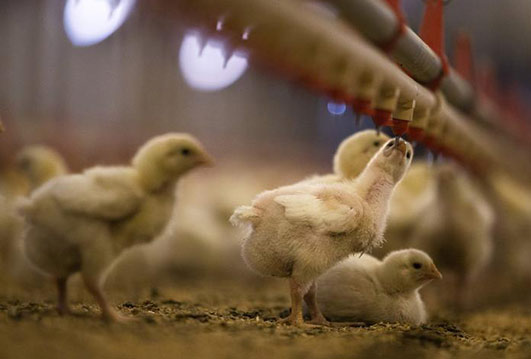
Multi-layer chicken cages raise chickens. The area above the chicken coop is also effectively used. And the feces produced by the chickens in the cage can fall on the ground or on the conveyor belt. The flocks will not come into contact with feces. This reduces the number of fecal infections. This allows the chickens to lay eggs earlier.
Laying hens are raised in chicken cages. Laying broilers live in chicken coops for a long time. The stocking density is relatively large, so there is very little space for chicken activities. If the activity of broilers is less, the energy consumption will be reduced, and the feed required will be reduced. Cage can effectively save more than 20% of feed cost.
Farmers use chicken farming equipment to raise chickens. It is very convenient to drink and feed. Farmers can save a lot of space to manage the flock and deal with other things. Improve the labor efficiency of farmers.
The quality of the chicken coop is good. Chicken farming equipment can be used for more than ten years. Farmers choose the hot-dip galvanizing process when buying. Buy duplex, anti-aging. Numerous batches of chickens can be raised.
Tell you why you choose an automated layer cage from six aspects
With the development of the breeding industry, automatic layer chicken cages are now essential chicken breeding equipment for farmers. What are the benefits of using chicken cages to raise chickens? Let's discuss it today.
1.High degree of automation. Active feeding, drinking water, cleaning manure, wet curtain device. The use of this type of equipment to centrally manage the chicken coop can greatly improve the efficiency of breeding.
2.Conducive to the epidemic prevention work. Because the automatic manure removal systemmakes the chickens inaccessible to manure. This will make the chicken grow stronger. It also provides a clean and warm development space for chickens.
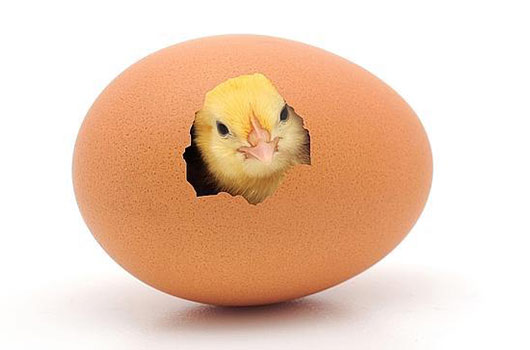
3.Save breeding feed. The use of stacked layer cages can greatly reduce the breeding feed. Because chickens grow in cages, their activity is reduced. The chicken's body consumes less energy, which leads to less feed waste.
4.The chicken coop is stable and durable. Hot-dip galvanizing technology is now used in automated breeding equipment. Make the equipment use longer, and it is also resistant to corrosion and oxidation. The service life can reach 15-20 years.
5.Save time. Because of the high degree of automation of modern chicken farming equipment, it is more conducive for farmers to manage the chicken coop and save time for other tasks.
How to Manage Laying Hens Near egg Production Peak?
For chicken farmers, the peak period of egg production will always be encountered at some stage of the year. Under normal circumstances, laying hens begin their pre-production period from the age of 16 weeks, and enter the peak of laying eggs at the age of 25 weeks. Whether the feeding and management status during the peak period of laying hens meets the requirements of chicken growth and egg production will have a great influence on the egg production during the entire production period. Therefore, for chicken farmers, it is very important to manage the layer chickens during production.
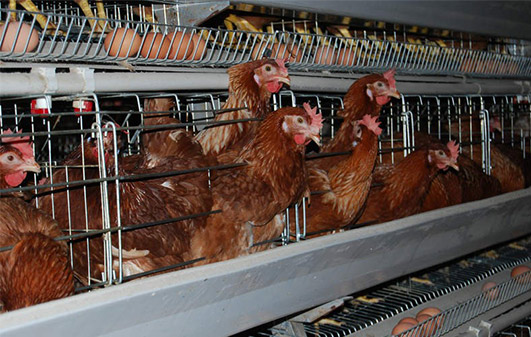
It is advisable to complete the laying of the laying hens before the age of 18 weeks in order to make the chickens familiar with the environment as soon as possible. In order to adapt to the increase of chicken body weight, growth of the reproductive system and the demand for calcium, the laying hens can be fed at the age of 18 weeks and the culmination at the age of 20 weeks. The most suitable temperature for laying hens is 13°C~23°C. In winter, it is better to keep above 10°C. In summer, it is better to keep below 30°C. Maintain indoor air circulation and prevent various noises. Keep the environment and feeding, drinking, lighting and other stability.
The important role of water source in raising chicken
Don't ignore drinking water of chickens rearing in your chicken layer cage. Common water supply for sinks, the number of water additions is the same as the number of feeds; or sometimes the chickens are limited by the dung and the water is artificially limited, which is tantamount to the chickens. Water shortage seriously affects the digestion and absorption of other nutrients. Water is the cheapest among all nutrients, but it is also the source of life. Generally, the summer water ratio is 5-6:1, and the other seasons are 2-3:1 in battery cages for sale.
Environmental management of chicken farms
1. The chicken battery cages are not connected to each other to avoid cross-infection between the chickens and the chickens.
2. The farther away from other chicken-raising units, the better, thus reducing the risk of disease transmission;
3. All the houses must be thoroughly cleaned with high-pressure faucets. All tools in the house, such as electric fans, brooms, etc., must be cleaned;
4. Ensure that chicken farm personnel are not in contact with the outside flocks;
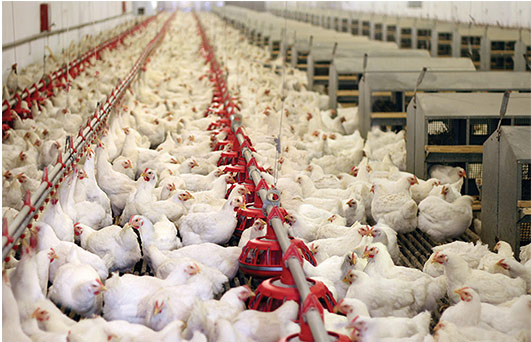
5. All chicken houses must be disinfected with a broad-spectrum cleaning agent that kills important pathogens;
6. Actively take measures to control rats, flies and stray animals. Once a mouse is present, use rodenticide or use a rodent-proof house to clear and control it;
7. When chickens of different ages are raised in the same chicken farm, the care of the chicken must start with the healthiest chicken feathers (usually the smallest chicken). Workers are not allowed to return to the chicken house from the big chicken house until the clothes and boots have been properly cleaned and disinfected;
8. If the dead chicken is found, the chicken house should be taken out immediately and disposed of immediately;
9. Workers must always wear clean clothes and boots when entering the house. Those who have been in contact with the big chicken-type laying hen must take a bath before entering the chicken house to save the person;
10. Non-essential personnel are not allowed to enter the chicken farm. Visitors must abide by the above rules;
11. Vehicles outside are not allowed to enter unless they are cleaned and disinfected.
Feeding nutritional requirements when using broiler cages to raise chickens
Many broiler farm cage manufacturers believe that the main task in the rearing period is to cultivate healthy, well-balanced chickens with a body weight that conforms to the normal growth curve to ensure timely production. Therefore, in production, we must pay full attention to the dietary coordination of growing chickens. The content of crude protein in the diet should be appropriately reduced, which can be gradually reduced from 18% to 19% during the brooding period to 16% to 15%.
At the same time, reduce the energy concentration in the diet. When compounding diets, low-energy feeds such as rice bran and wheat bran can be used to replace part of high-energy feeds such as corn to help exercise the stomach and intestines, improve the digestion of the feed, and make the growing chickens have a good body condition. Pay attention to supplementing vitamins and minerals. The content of calcium, phosphorus, selenium, zinc, etc. and the ratio of calcium to phosphorus in the diet should be appropriate.

During the rearing period, the feed should be changed at least twice at the age of 6-7 weeks and at the age of 16-18 weeks. There must be a transitional period for each refueling. It is not possible to change all suddenly, so that the chicken has a process of adaptation. Especially from the brooding period to the rearing period, the replacement of feed is a great turning point. The nutrient content of feed, such as crude protein content, has dropped from 18% to 19% to 15% to 16%. Changes in feed ingredients can easily change the palatability of chickens and reduce feed intake. If they are not managed well, chickens are prone to disease.
Therefore, the following methods can be adopted for feed transition. From the first 1 to 2 days of the 7th week of age, 2/3 of the breeding period feed and 1/3 of the breeding period feed are mixed and fed. For 5-7 days, use 1/3 of the brooding period feed and 2/3 of the rearing period feed to be mixed and fed. From the 8th week of age, they are completely fed with feed during the growing period.
The first kind of feed change method is relatively detailed, and it is often used when the composition of the chicks and feed species changes greatly. The third refueling method is relatively crude, and experienced farmers and broiler cage manufacturers believe that it is generally used when the composition of adult chickens and feed species changes little. The second refueling method lies between the two and has a wide range of applications.
The above are the precautions when using broiler cages to raise chickens. I hope that the above content will be useful for novice farmers.
Factors that need to be learned in layer cage breeding
As the breeding industry using layer chicken cages in Ghana continues to expand, the scientific nature of breeding technology is becoming more and more important. The selection of chicken coop equipment, reasonable design of chicken coops, the control of chemical dosage, air circulation, and disease prevention are becoming more and more professional and scientific, which requires a group of high-tech breeders. So what aspects should be paid attention to in laying hen breeding?
1. suitable environment
Proper temperature, proper humidity, proper ventilation, proper stocking density, proper light
2. Sufficient drinking water
Ensure that the laying hens have proper drinking water, effectively ensuring the healthy growth of the laying hens.
3. Standard weight
Overweight or underweight will affect the laying rate of laying hens.
4. Reduce all kinds of stress
Suitable environmental factors are one of the key factors affecting the growth of laying hens.
5. Strengthen disinfection
Strengthen disinfection in the house and cleaning outside the house to ensure the cleanliness of the breeding environment and reduce the occurrence of diseases.
6. Immunization vaccine
Use vaccines correctly and reasonably to effectively control and reduce the derivation of poultry diseases.
More...
Introduction and selection of automatic chicken breeding equipment
In today's chicken industry, the methods of raising chickens are no longer the same as before. The continuous development of technology has driven the progress of the chicken industry, and chickens are developing towards large-scale and intensive methods. And now chicken farming is no longer an era of full manpower. The emergence of various types of automated chicken farming equipment has allowed farmers to experience the human management equipment and the ease of equipment for chicken farming. The author will talk about the introduction and selection of automatic chicken breeding equipment.
Among the chicken breeding equipment, the automatic chicken breeding equipment mainly includes: automatic manure cleaner, egg picker, feeder and other equipment. It can enable the farmer's chicken house to realize the tedious and time-consuming work such as automatic dung cleaning, feeding and egg picking. Freeing the hands of farmers to give farmers more time to manage chicken flocks, the advantages of using these devices for chicken farming are:
1. It can realize large-scale breeding of chickens by farmers, and the use of these equipments plus the laying cage breeding method can allow farmers to raise tens of thousands of layers. And it can also be easily managed. With a large number of breeding, the economic benefits of the farmers increase a lot.
2. The use of automated equipment can ensure the sanitation of the chicken house. For example, the manure cleaning machine can automatically clean the manure regularly, and timely clean out the manure produced by the chickens, so that the probability of bacteria and ammonia generated by the chicken house is reduced. The chicken coop has a good environment and the chickens grow naturally.
3. Without these automated equipment, farmers need to hire manpower to complete the work of raising chicken manure, feeding, etc. The monthly salary of workers is a large expense. Now with automated equipment, you can reduce the use of these labor and reduce the cost of raising chickens.
4. When raising layer hens and broilers, using cages can facilitate the treatment and management of diseases. Cage keeping allows farmers to treat layer hens when they are sick, and the difficulty of treatment is greatly reduced. And the environmental control of the automatic chicken house is better, and it can also ensure that the layer is in good physical condition.
The above is the introduction and selection of automatic chicken breeding equipment in Pakistan for the author. I believe that after understanding the advantages of the above-mentioned automated chicken breeding equipment, farmers will understand why automated breeding can become the mainstream and trend of the chicken industry. These equipments are a good helper for farmers and ideal for driving farmers' economy.
The necessity of raising chicken in poultry layer cage system
The poultry breeding industry has always been a very popular project, and with the development of society, the way of raising chickens is gradually changing. Poultry layer cage system breeding is a more popular way of breeding layer hens in recent years, and it is also a common way of raising chickens in chicken farms nowadays. benefit.
Layer battery cages breeding is to concentrate the laying hens in the hen house. If it is raised in the previous horizontal and free-range methods, the layer chicken flock will take up more space. This kind of breeding method will be less than the number of cages, that is, the density of cages will be greater. It can be said that a chicken house with the same floor area will raise more laying hens in cages.

The breeding method of layer battery cages adopts a three-dimensional multi-layer method. This chicken house area will be fully utilized. In this way, the number of holidays will be increased, which can create greater benefits for farmers.
Another important point is that the use of layer cages is very helpful to the survival rate of layer hens. For the poultry farming industry, chickens live in battery cages and they can have a clean and comfortable environment. Chicken and feces will not come into contact. The manure of the chicken will be cleaned out of the chicken house by the poultry manure removal equipment, which will reduce the breeding of bacteria and increase the survival rate and egg production rate of the laying hens.